

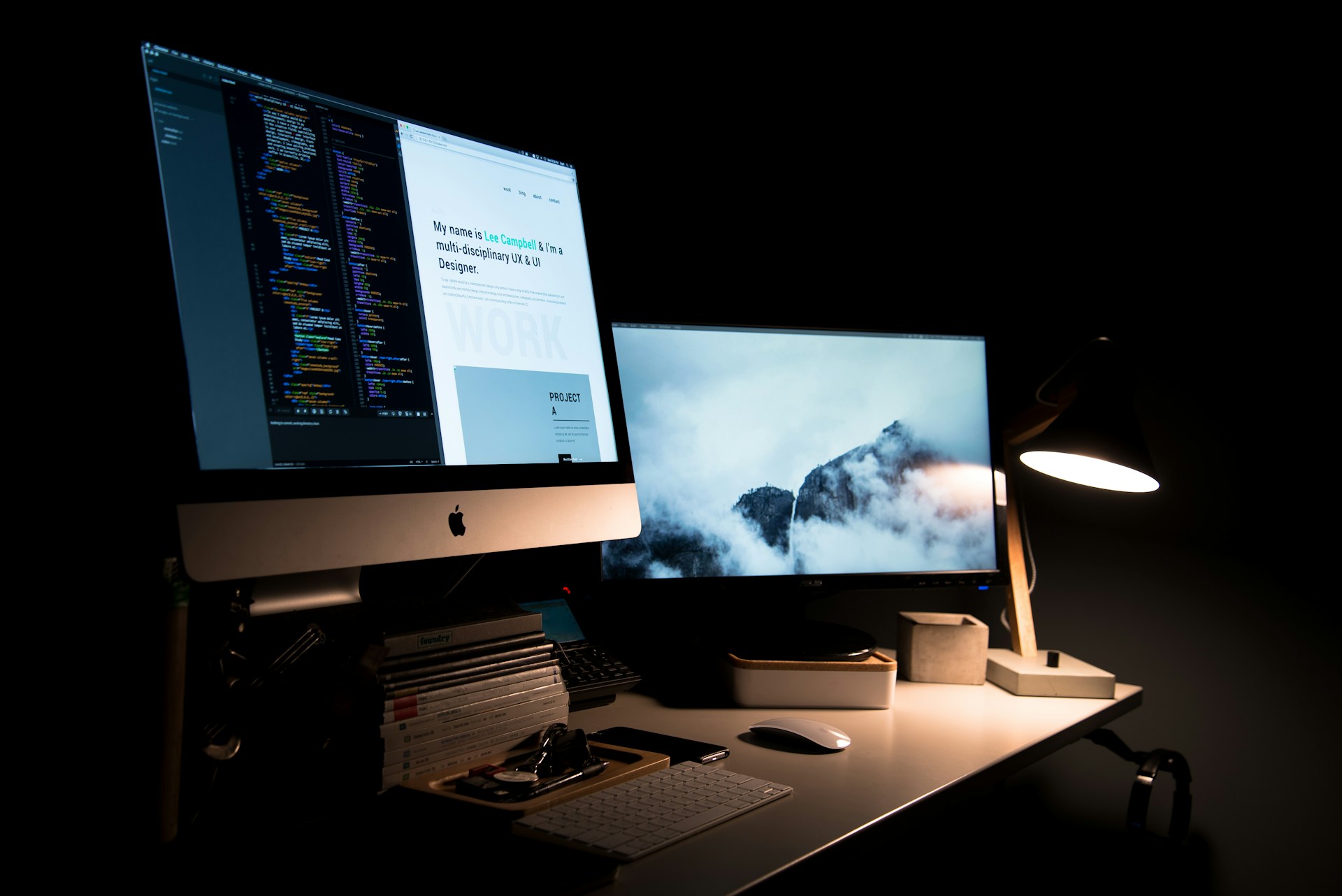
Every business, sporting club and local café now needs an online presence, and the number of websites keeps growing. Behind each is someone who decided how the page should look, how it should flow and how quickly a visitor can find what they came for. That is why web design schools have become such a popular choice for school leavers, career changers and creative people who want to turn a hobby into a real profession.
Students start with the fundamentals of layout, colour theory and typography, then move on to user experience research, accessibility standards and the basics of HTML, CSS and JavaScript. Most courses also cover popular design tools and the content management systems that let clients update their sites without calling a developer.
Even the websites of major industry players are usually built by people who once sat in a design classroom. Take a polished gaming site such as Crown Casino Online, where dozens of games, bonus offers and payment options have to fit neatly on a single screen. Behind that kind of clean, easy-to-navigate layout there is almost always a team of trained designers who learnt the basics of hierarchy and user flow early in their careers.
What You Will Learn
While every program is a little different, the core curriculum tends to follow a similar path.
Most courses cover the following areas:
- Visual principles. Grids, white space, contrast, hierarchy, colour theory and typography.
- Wireframing and mock-ups. Sketching layouts by hand before moving to digital tools, so structure comes before colours and fonts.
- User experience research. Running simple interviews, building personas and testing prototypes with real people.
- Accessibility. Designing pages that work for everyone, including people using screen readers or keyboard navigation.
- Front-end basics. HTML, CSS and enough JavaScript to understand how a browser renders a page.
- Responsive design. Making layouts that hold up on phones, tablets and large screens alike.
Each of these areas builds on the next, so by the end of the course students can take a project from rough sketch to working prototype.
Online or On Campus?
Australian students have plenty of options, from TAFE diplomas and university degrees to short private courses and fully online bootcamps. Studying on campus offers face-to-face feedback, group projects and the chance to build a local network, which can be invaluable when you start looking for work. Online programs, on the other hand, suit people juggling a job or family, and many now include live critique sessions, mentors and active student communities.
There is no right answer. The best choice depends on how you learn, how much time you can commit and whether you need a formal qualification or just a strong portfolio.
How to Choose the Right School
Before enrolling, it is worth doing a bit of homework.
Here is what to check:
| What to check | Why it matters |
| Graduate portfolios | They reveal more about a school’s standards than any brochure. |
| Teachers’ experience | Working designers keep the course in line with industry trends. |
| One-on-one feedback | Personal critique is where most of the learning happens. |
| Career support | Internships, showcases and interview prep make finding work easier. |
| Total cost | Software and equipment can add up, so factor them in early. |
Building a Portfolio That Gets Noticed
Employers rarely ask to see a certificate first. They want to see how you think. The strongest portfolios include a handful of well-documented projects that explain the problem, the research, the decisions made along the way and the final result. Real or realistic briefs, such as a redesign for a local business or a concept for a community organisation, tend to impress more than purely decorative exercises.
It also helps to show range. A mix of a content-heavy site, a mobile app concept and a small branding project demonstrates that you can adapt your style to different audiences and goals.
Where a Web Design Career Can Lead
Graduates move into a wide variety of roles, including UI designer, UX designer, front-end developer, digital producer and freelance web designer. Many start in agencies, where they gain experience across lots of clients, before specialising or moving in-house with a single brand. Others build their own small businesses, creating sites for tradies, cafés and creative professionals in their local area.